
Putting Patients At The Heart Of Innovation

Beyond Pain. Back to Living
PATIENTS
The Relevium journey started by listening to patients
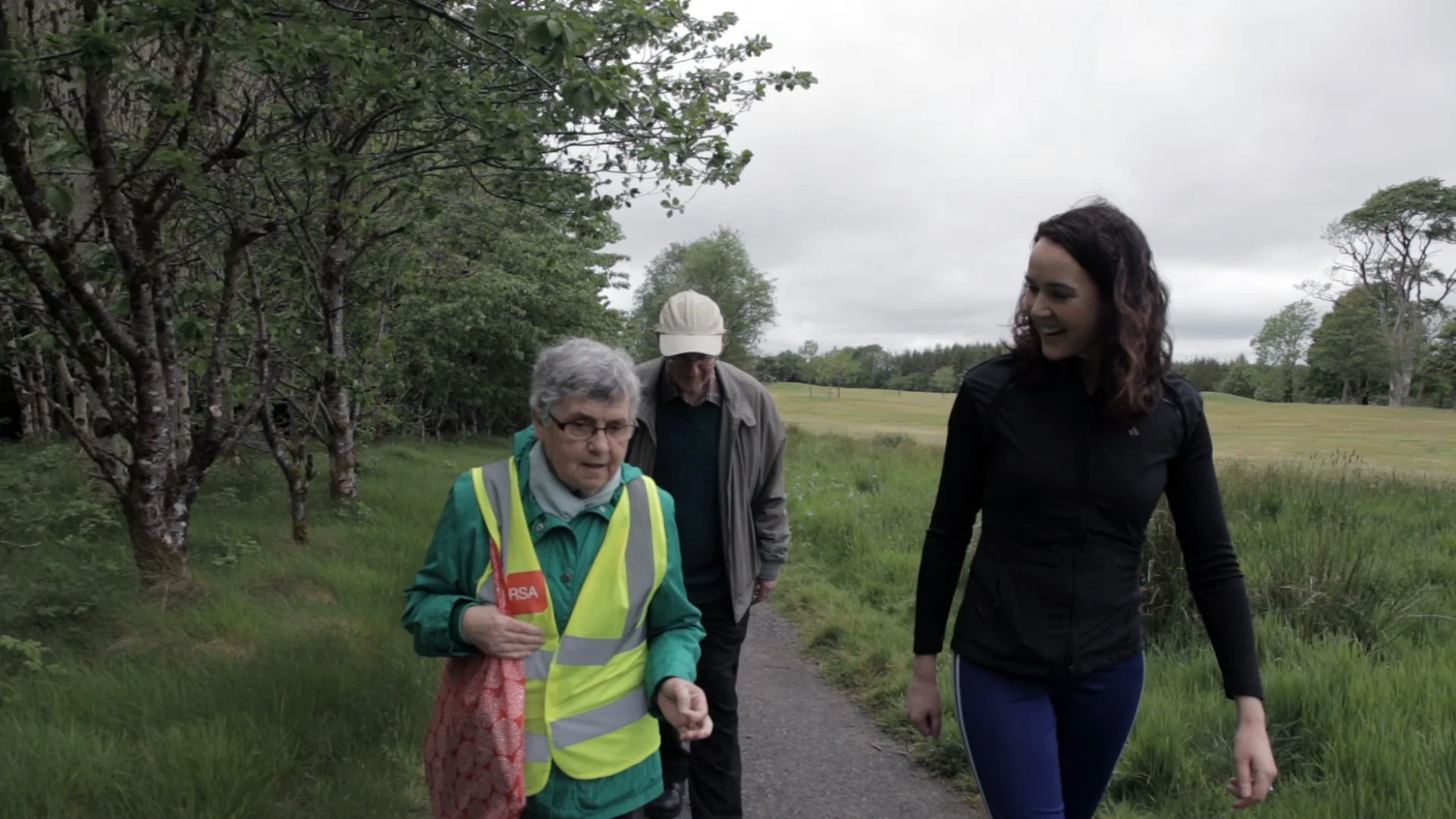
Alison Liddy, our co-founder and CEO, walking with a local arthritis support group - these conversations shaped the development of our lead programme.
Long before the science behind RM-010 was finalised, this work started with the people living with the condition it was meant to help.
Alison Liddy, our co-founder and CEO, first identified the clinical unmet need behind RM-010 during an immersive hospital placement as part of BioInnovate Ireland, the Stanford Biodesign-affiliated medical technology innovation programme. That process led her to spend time walking and talking with a local arthritis support group. What Alison heard from this group fed directly into how the RM-010 programme was built.
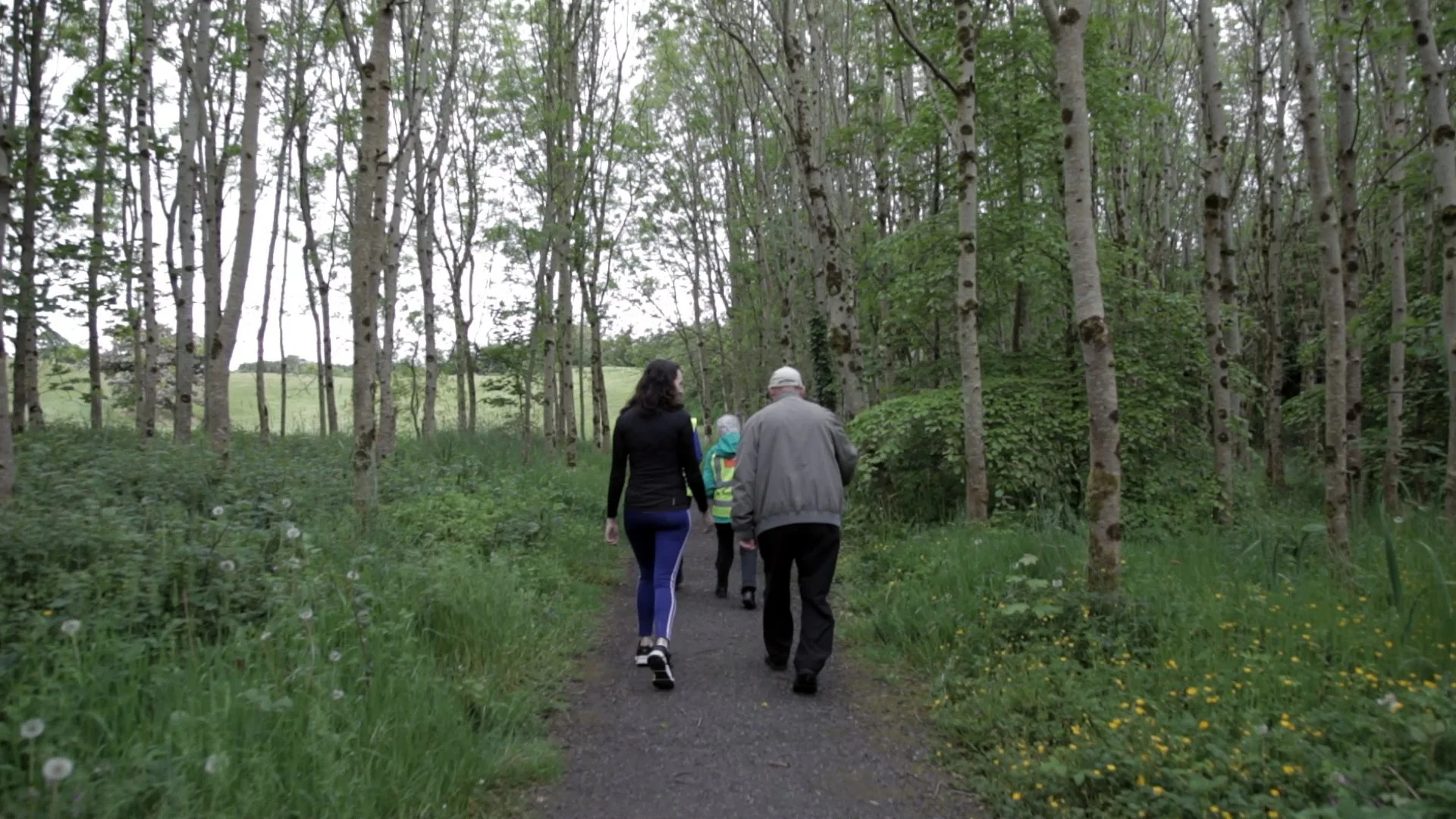
Reflections Shared During These Walks Stayed
"I hate the brain fog I get from taking the medication, so I just stop taking it and put up with the pain instead."
"I struggle to bend down to pick up my grandchild."
"I can't afford hyaluronic acid injections."
DOCUMENTARY - "THE PATIENT EFFECT"
Living With Chronic Pain: The Human Story
Beyond the science, there are real lives affected by chronic pain.
The Patient Effect' produced by Ishka Films under Science on Screen programme. Featuring insights from conversations with members of the Arthritis Walking Group that fed into the development of our lead program, RM-010.

Living With Chronic Pain
IMPACT
More than physical discomfort
Chronic pain affects far more than the body. It can change how people move, sleep, work, connect with others and enjoy daily life.
A widespread challenge
More than 1 in 5 people worldwide live with chronic pain - pain that persists or recurs for more than three months.
Movement & daily life
Around 1 in 4 people with chronic pain report substantial interference with walking, work or everyday activities such as stairs, shopping and getting dressed.
Sleep problems affect roughly 3 in 4 people with chronic non-cancer pain. Poor sleep can worsen pain, fatigue, mood and day-to-day functioning.
Mood, work & relationships
Chronic pain is often accompanied by depression, reduced work capacity and withdrawal from social, family and intimate relationships.

Approximately 27% of people with chronic pain need to take prescribed opioid medications
PATIENT VOICE
Patient Advocate
“Chronic pain has impacted almost every moment of my life for the last 42 years. I work extremely hard to keep myself positive. However, some people disbelieve me and can be judgemental.”
- Fionnuala Fildes
Ambassador for Chronic Pain Ireland

"We wanted Relevium to develop a therapeutic that could offer safe, long-lasting relief - but just as important, we didn't want cost to put it out of reach. We wanted to build something accessible to people from every social background."
Alison Liddy, Co-founder & CEO
Rethinking How Pain Could Be Treated
THE FUTURE

At Relevium, we're exploring a different way to treat chronic pain, a treatment administered locally, exactly where it's needed, designed to keep working for months. So relief doesn't have to mean a daily routine of pills, the side effects that can come with them, or the toll chronic pain takes on quality of life. People can get back to enjoying life, no longer controlled by pain.